Women Leading the Green Transition
The IFC EDGE Women in Green Building competition celebrates trailblazing women whose excellence and leadership challenge a male‑dominated sector – we chatted to the 2025 winners.
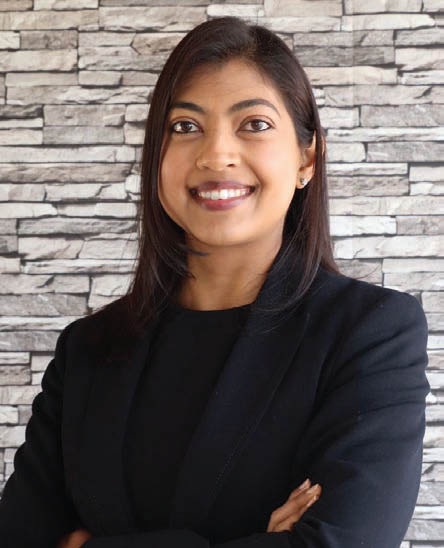
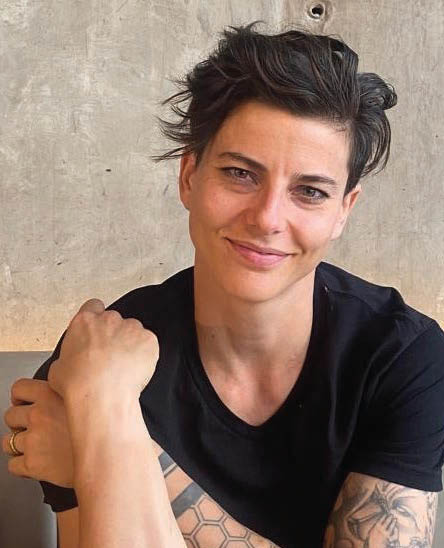
Africa’s construction and property industries are under pressure to become greener, smarter and more climate-change resilient. Responding requires more than technical innovation – it calls for inclusive leadership to steer the built environment’s evolution. The sector is undergoing rapid transformation, propelled by green finance, ESG imperatives and the global move towards low carbon buildings. Yet women remain underrepresented. According to the Council for the Built Environment’s 2023/24 Annual Report, women account for only 14% of South Africa’s registered built environment professionals.
More than an awards platform, the Women in Green Building competition has become a springboard for professional growth, raising women’s visibility and expanding their influence in a sector still dominated by men. By opening new routes into leadership, the initiative is helping to redefine who shapes the future of green building. Hosted by GBCSA in collaboration with the International Finance Corporation (IFC), the competition provides women across South Africa and neighbouring countries with access to internationally recognised green building qualifications, including EDGE Expert training and, since 2025, the EDGE Auditor stream.
Kushinga Kambarami, Green & Resilient Built Environment Lead for Africa at IFC, explains: “This competition continues to open doors for women in our field. We saw female professionals step forward as green building leaders. In South Africa, nearly half of accredited green building experts are now women. But true inclusion means these trailblazers bring their communities along, ensuring African cities grow greener for all.”
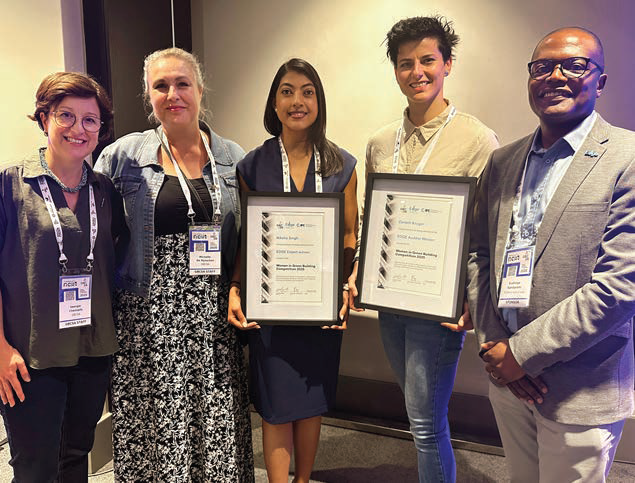
From the 2025 cohort, two winners stood out: Niksha Singh, co-founder and Technical Director of BlackPeak Energy, who excelled in the EDGE Expert stream; and Zantelli (Zee) Kruger, Project Manager Professional, EDGE Expert and Auditor, who distinguished herself in the EDGE Auditor stream. We invited them to share what this recognition means to them and how they have navigated their career journeys.
Q: What does winning the 2025 Women in Green Building competition mean to you?
Niksha Singh (NS): It affirms the journey I’ve taken – transitioning from the oil and gas industry into sustainability. I’m always seeking ways to grow and challenge myself, and this achievement is one that I’m very proud of. As co‑founder and Technical Director of BlackPeak Energy, this recognition has strengthened my expertise and broadened the sustainability solutions we can offer our clients. Beyond the EDGE qualification, the award also granted me access to the 2025 Green Building Convention – an invaluable networking experience and a platform to engage with industry leaders.
Zantelli (Zee) Kruger (ZK): It’s been both professionally validating and personally transformative. Achieving EDGE certification, much like other professional accreditations, signals recognised technical expertise, credibility and practical experience, and it has strengthened trust among peers, employers and clients. The EDGE Auditor training has enhanced my attention to detail, improved the rigour of my technical submissions and reviews, and elevated the quality of my project outcomes. The award itself was the “cherry on the cake”, reinforcing the value of continuous learning and excellence. Personally, it has reshaped my career ambition from simply building projects to ensuring that everything I contribute to is sustainable, efficient and aligned with recognised green building standards.
Q: What inspired you to pursue a career in the green building sector?
NS: We’re living in a time when energy insecurity and climate change are having devastating impacts globally. After more than 15 years in the oil and gas industry, I understood that to make a meaningful contribution to our climate future, I needed to act. This belief inspired my transition into the energy sector. Three years ago, I co-founded BlackPeak Energy, which specialises in energy auditing, GHG advisory and Energy Performance Certification (EPCs). I’ve had hands-on experience with issuing EPCs, performing audits and compiling carbon footprints. These experiences have deepened my understanding of sustainability, particularly in the built environment, which led me to enter the WIGB competition. I’m excited to see how the sector will evolve.
ZK: My journey was driven by a growing awareness that the built environment has both a significant impact on the planet and a powerful opportunity to be part of the solution. I was drawn to the intersection of technical delivery, sustainability and measurable impact. Over time, my career evolved from traditional project and development management into a more specialised focus on sustainability and certification. Working on EDGE-certified developments exposed me to the practical application of resource efficiency, and I became increasingly invested in driving better outcomes through design and delivery. This naturally progressed into my becoming a certified EDGE Expert and now an EDGE Auditor, allowing me to contribute more strategically to shaping high-performance, sustainable buildings.
Q: Have you noticed any changes in how your work is perceived since receiving this award?
NS: Winning the award, coupled with engaging with industry leaders and like-minded professionals at the Green Building Convention, has expanded my influence within the green building sector. It’s opened opportunities for different conversations that I wouldn’t otherwise have had access to. I believe winning the award reinforces trust in my technical expertise and adds credibility to BlackPeak Energy. Most importantly, it has increased my visibility and given me a platform to inspire other women in the sector.
ZK: Yes, there’s been a noticeable shift: the award and with the EDGE Auditor qualification have strengthened my professional credibility and positioned me as a trusted technical resource within sustainability and certification discussions. There is a greater level of confidence in my inputs, particularly when it comes to interpreting requirements, validating assumptions and ensuring compliance with EDGE standards. I have also found that I am more frequently included in early-stage strategic conversations, where key sustainability decisions are shaped.
Q: What challenges have you faced working in a male-dominated industry, and how have you overcome them?
NS: Earlier in my career as an engineer in the oil and gas industry, I was often the only woman in the room. Like many women in male dominated fields, it could feel isolating, especially without a mentor to help navigate the environment. My greatest challenge was confronting biases and cultural expectations as a woman, but I overcame them by focusing on my capabilities and letting my skills speak for me. Over time, I’ve seen a positive shift: more women entering these industries, fewer biases and greater recognition of the value women bring. Today, I am fortunate to be shaping the culture within my own company, surrounded by progressive colleagues who foster an environment where skills and impact define success.
ZK: One of the most consistent challenges has been having to establish credibility quickly, particularly in technical or site-based environments where assumptions can still exist. Being the only woman in the room can sometimes mean your voice is not immediately heard or given equal weight. I have addressed this by focusing on competence, preparation and consistency. Delivering technically sound work, backed by data and standards, has been key to building trust. I have also learned the importance of confidently articulating my perspective and not hesitating to challenge when necessary. Over time, this approach has shifted perceptions, allowing me to be recognised not for my gender, but for the quality and reliability of my contributions.
Q: What advice would you offer to women entering the green building sector?
NS: Let your technical competence speak for you. Prioritise building your skills and qualifications to strengthen your expertise. While workplace culture and biases can present challenges, I encourage you to actively seek out mentors and leaders you can trust to guide and support you. The sector has made great strides, particularly through initiatives like this, which provide women with opportunities and platforms to grow. The GBCSA is a shining example of championing women in leadership, with Lisa Reynolds and now, Georgina Smit, at the helm. Embrace opportunities like these to challenge yourself, expand your influence, and continue growing both personally and professionally.
ZK: Lean into both the technical and strategic aspects of the industry. Build a strong foundation in sustainability principles but also understand how they translate into real project decisions and outcomes. Seek out certifications, training and practical experience, as these will strengthen both your confidence and credibility. Don’t be discouraged if you find yourself in environments where you are underrepresented; instead, use it as motivation to demonstrate your value through knowledge and delivery. Find mentors, build networks and stay curious. Most importantly, recognise that your perspective is needed. The built environment is evolving, and women have a critical role to play in shaping more sustainable, inclusive and forward-thinking solutions.
www.gbcsa.org.za/women-in-green-building-competition/