The Invisible Next
Founder and director of The Green Institute in Nigeria, Dr Adenike Akinsemolu, explores how unseen systems – from microbes to women’s knowledge – impact sustainability, urging us to see the invisible before it becomes a crisis.
When I stood before built environment leaders at the 2025 Green Building Convention, my message was simple: what we fail to see, we fail to save. So much of sustainability begins with what is hidden. We see buildings, roads, glass, steel, concrete and skylines. We celebrate solar panels, green roofs, efficient lighting and smart technology. These matter. But beneath them are quieter systems shaping our future: the soil under our cities, the microbes in our water, the women who hold communities together, the knowledge that rarely enters policy documents, and the coastal settlements already living with climate change every day.
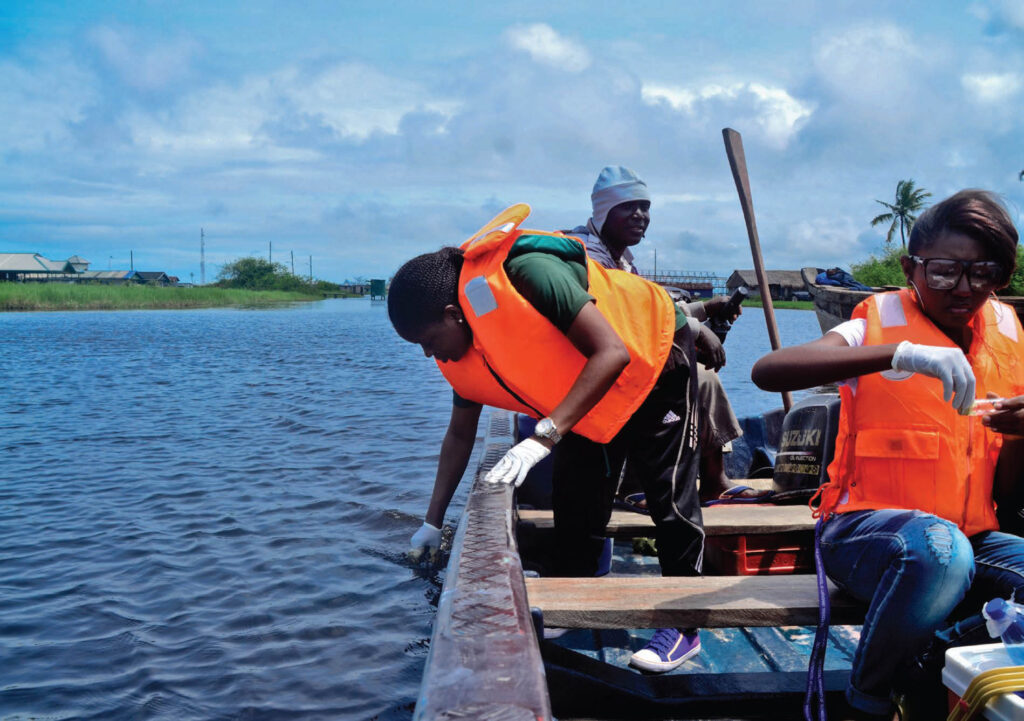
Green microbiology
Green microbiology helps us pay attention to this hidden world. It explores how microorganisms can help us build a more sustainable future. It asks: How can the smallest living systems help solve some of the biggest planetary challenges? Microbes are not only agents of disease, as many people first imagine. They are recyclers, builders, healers, water purifiers and climate actors. They break down waste, restore soils, treat wastewater, support plant growth, produce bio-based materials and help ecosystems recover.
In many ways, microbes are the original sustainability engineers. In nature, the output of one process becomes the input for another. Long before we started speaking of circular economy, microorganisms were already practising it.
For the built environment, this matters deeply. Buildings and construction account for around 37% of global carbon dioxide emissions and nearly half of global material extraction. The way we build, cool, heat, maintain, demolish and regenerate our spaces is therefore central to the future of the planet.
But in Africa, we must expand the green building conversation beyond energy efficiency alone. A truly green building is not only a structure that consumes less power. It is part of a living system. It asks: Where did the materials come from? What happened to the soil before construction began? How is water managed? What happens to waste? Who benefits? Who is displaced? Whose knowledge shaped the design?
When the invisible becomes visible
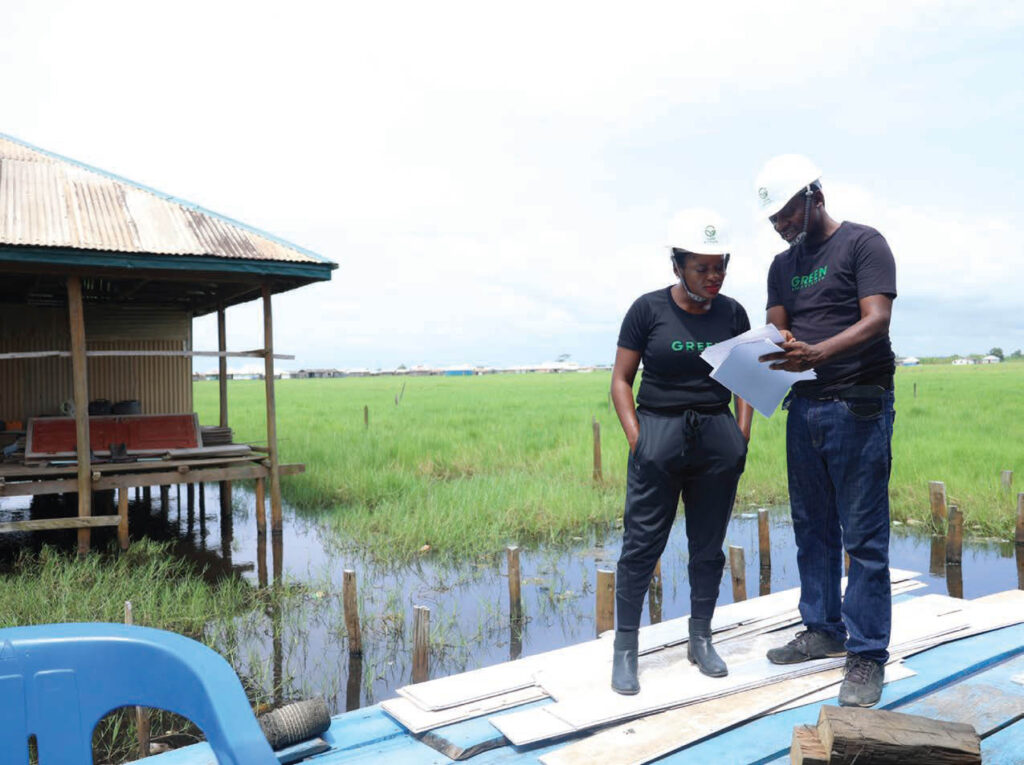
In Nigeria, the coastal community of Aiyetoro (often spelt Ayetoro), in the Ilaje region of Ondo State, offers a painful example of what happens when the invisible becomes visible too late. Once known as the “Happy City”, Aiyetoro has battled sea incursion, erosion, flooding and saltwater intrusion for years. Homes, schools, worship centres and livelihoods have been damaged or lost. Recent shoreline studies and reporting suggest that between 2008 and 2023 about 86% of the community’s coastline experienced erosion.
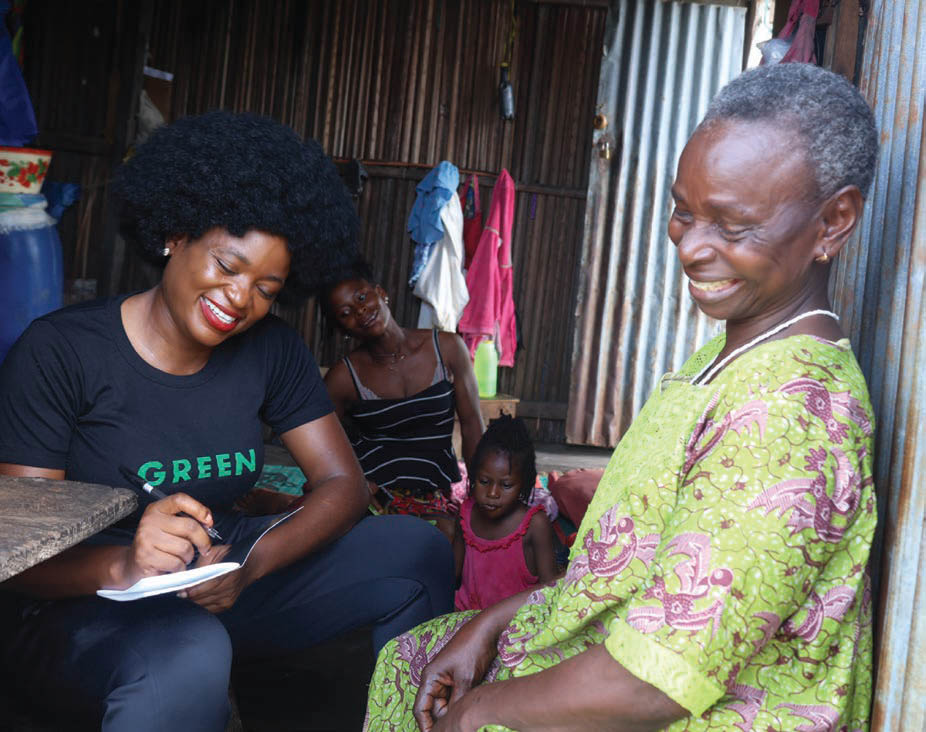
Behind every metre of land lost is a family history. Behind every flooded home is a woman trying to protect children, preserve food, find clean water, care for the elderly, support household income and maintain dignity in uncertainty. In many coastal communities, women are not only affected by climate change; they are also first responders. They notice when the water tastes different. They know when fish patterns change. They observe when farmlands become less productive. They remember where the shoreline used to be. Yet this knowledge is often treated as informal, emotional or secondary.
Inclusion is infrastructure
In my work on the vulnerability of women to climate change in the Ilaje coastal region, I have seen that women’s vulnerability is not caused by climate change alone. It is shaped by economic pressure, limited access to resources, education, political voice, cultural expectations, environmental degradation and the unequal burden of care. Climate change does not arrive in an empty room. It enters existing inequalities and makes them worse. That is why inclusion is not decoration. It is infrastructure.
If women are excluded from climate planning, adaptation projects will be weaker. If coastal communities are excluded from design decisions, resilience will be shallow. If microorganisms are ignored in soil, waste and water systems, our green technologies will remain incomplete. If African knowledge is treated as an afterthought, imported solutions will continue to miss local realities.
The future of regenerative Africa
Consider wastewater. To many people, wastewater is something to remove. But through a green microbiology lens, wastewater is also energy, nutrients and possibility. Microorganisms can help treat wastewater, recover resources and reduce pollution. In flood-prone communities, microbial solutions can support safer, decentralised and affordable systems.
Consider soil. To many developers, soil is a surface to clear before building begins. But living soil hosts more than 25% of the planet’s biodiversity and supports most of the food we eat. When we seal soil under concrete without thought, we are not simply changing land use. We are silencing a living system.
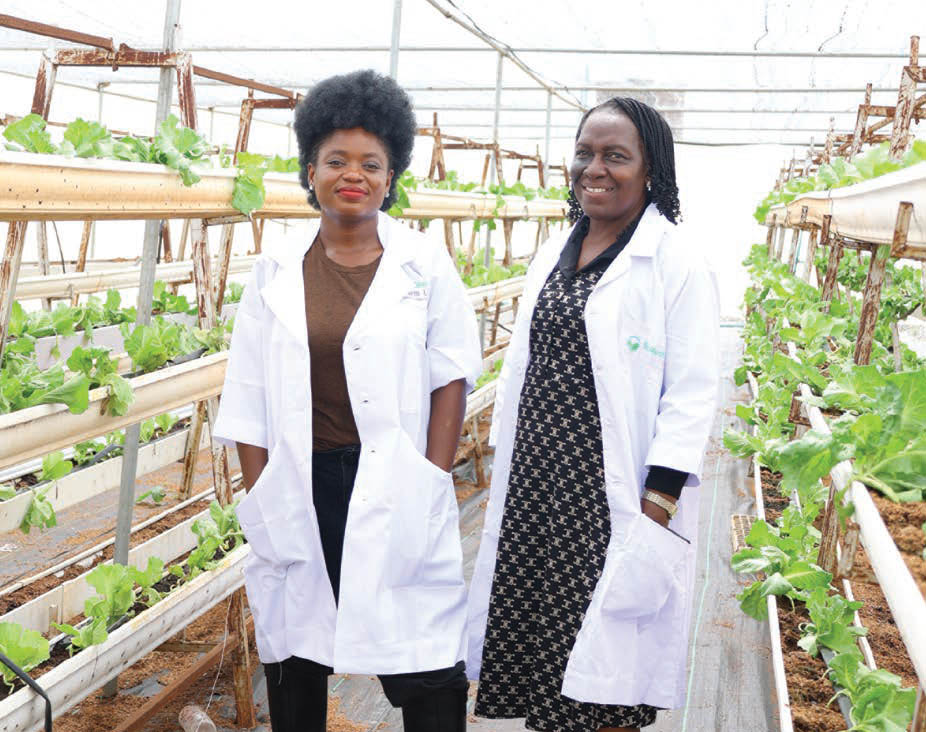
Consider building materials. Around the world, researchers are exploring bio-based materials, mycelium composites, microbial bio-cement, algae systems and self-healing concrete inspired by bacterial processes. These are signals of a future where buildings may be grown, repaired and regenerated with biological intelligence.
This is precisely the kind of future we are exploring through the Green Microbiology Lab, a collaborative initiative of The Green Institute and Dr Helen Onyeaka, my co-principal investigator at the School of Chemical Engineering, University of Birmingham. Our work is grounded in a simple belief: Africa does not only need to consume sustainability solutions; Africa can develop them. We are developing microbial and bio-based solutions for real African challenges, from polluted water and organic waste to resilient materials, healthier soils and climate-smart communities. For us, the laboratory is not separate from the coastline, classroom, marketplace or construction site. It is a bridge between science and society.
For Africa, this future must not be copied blindly from elsewhere. It must be rooted in our landscapes, climates, cultures and needs. Africa’s urban population is projected to grow dramatically by 2050, which means millions of new homes, schools, hospitals, markets and public spaces will be needed. The question is not whether Africa will build. Africa is already building. The real question is whether we will repeat the extractive mistakes of the past, or build in a way that honours life. This is where sustainability, inclusion and innovation must meet.
Perceptive systems
Innovation is not only a laboratory breakthrough. It is also a woman in Aiyetoro adapting household routines to changing tides. It is a community redesigning drainage based on lived experience. It is a young scientist using microbes to clean polluted water. It is an architect asking how a building can breathe with its environment rather than fight against it. For readers of +Impact and Green Building Council South Africa, I believe this is the next frontier: to design not only greener buildings, but more perceptive systems.
A perceptive system sees the invisible before it becomes a crisis. It sees women not as victims to be rescued, but as knowledge holders, innovators and leaders. It sees microbes not only as risks to be controlled, but as partners in regeneration. It sees coastal erosion not as a distant environmental issue, but as a design, justice, housing, health and governance issue. It sees African communities not as passive recipients of sustainability, but as co-creators of its future.
But the opposite is also true. When we learn to see the invisible, we begin to design differently. We design buildings that work with water rather than against it. We restore soils. We transform waste into resources. We include women not as symbolic participants, but as decision-makers. We support coastal communities before they are displaced. We invest in African science, leadership and imagination.
For me, green microbiology is not only about microorganisms. It is about humility. It reminds us that small things matter, that life is interconnected, and that the future may not always arrive loudly. Sometimes, it begins beneath our feet, inside a drop of water, in the hands of a coastal woman, or in a community that refuses to disappear. The invisible next is already here. The question is whether we are willing to see it in time. www.greenmicrobiology.org