South Africa’s water future is under strain, but Rand Water’s Water Wise campaign is responding with purpose. In conversation with Dr Leslie Hoy, Manager of Environmental Services, +Impact explores some of the ways the organisation is driving awareness to protect this vital resource.
Q: The Vaal River Barrage Reservoir (VRB), built in 1923 by Rand Water, has long been vulnerable to invasive alien plants, which thrive in nutrient-rich waters and disrupt ecosystems. How did Rand Water become involved in assisting with their management?
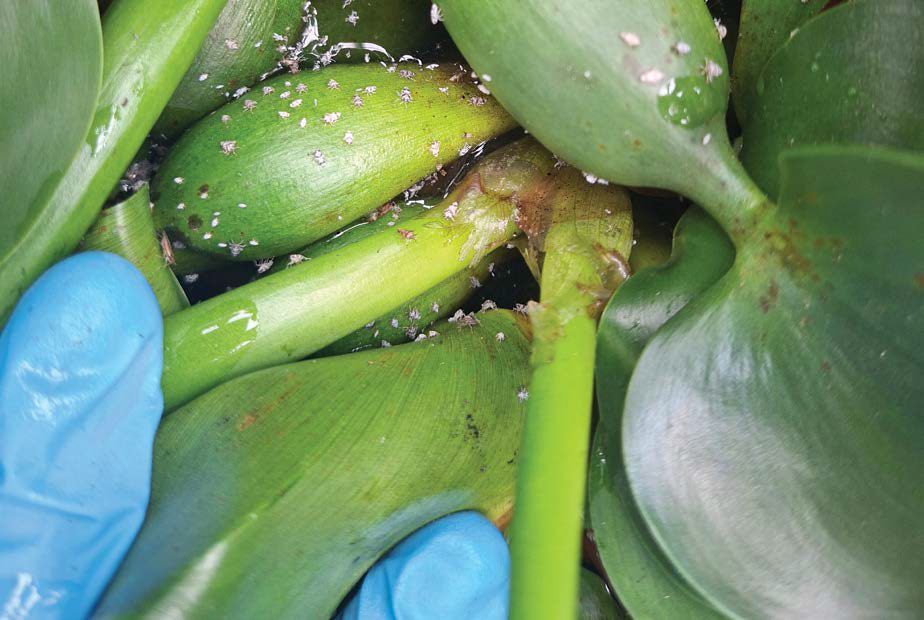
LH: Rand Water was contracted by the Department of Water and Sanitation (DWS) in mid-2024 to assist and manage the control and removal of invasive water lettuce and water hyacinth in the VRB. The appointment required various approvals from the DWS and Department of Forestry, Fisheries and the Environment (DFFE) before work could commence. This meant that various studies had to be completed upfront. Once approvals were in place, contracts were put out and contractors appointed. At that time, the coverage of the water by these invasive alien plants was sitting at just over 400 hectares, just under a third of the total area under management (1 300ha).
Part of the contract also includes the monitoring of other water bodies in the Vaal River system, up to the confluence of the Orange River. Rand Water, together with government departments, is also busy developing a strategy for the management of invasive alien plants on the Vaal River System. This will form part of the greater Vaal Orange River strategy to address invasive alien plants.
Q: What strategies has Rand Water implemented to manage this issue and how effective are they?
LH: The approved strategy to manage this issue includes physical removal, which also makes use of curtains and chicanes to contain the spread of these plants; chemical control – only approved chemicals are used; and biological control. The VRB system has been divided into areas where as far as possible each of the strategy elements is implemented so as not to overlap and negatively impact the work planned for that area.
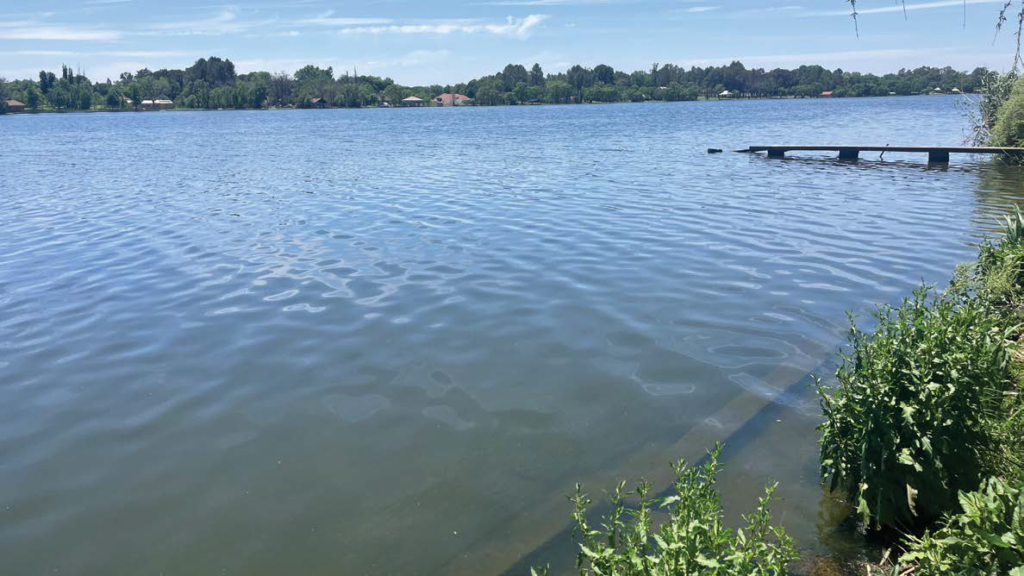
The current coverage now (as of late January 2026) sits at just over 4 hectares for the entire VRB. This is testament to the excellent work undertaken by the team in this approach. Part of the success must be attributed to the collaborative approach since day one between Rand Water’s Water Wise section, government departments such as DWS, DFFE, and the Vaal Orange Catchment Management Agency (VOCMA), as well as many stakeholders who work, live and have a vested interest in keeping the VRB clean.
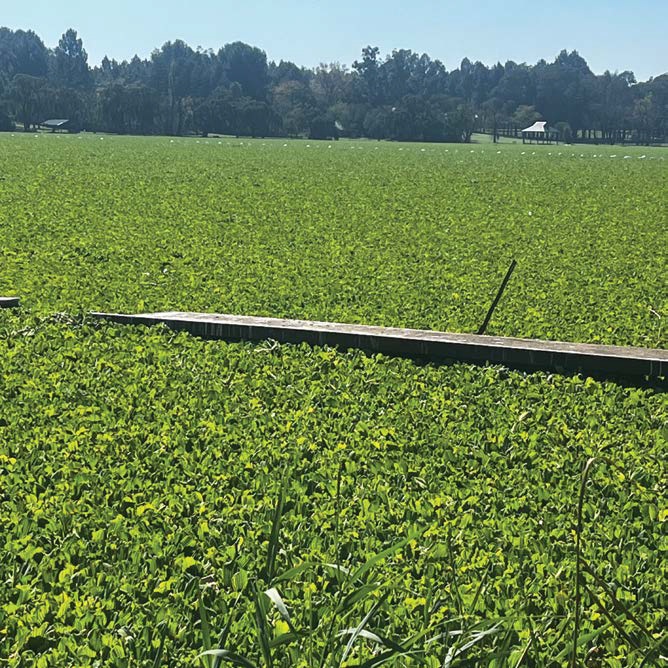
invasive plants in excess of 400ha in mid-2024.
Q: What have been the biggest challenges your team continues to face, and how are you adapting the strategy to overcome them?
LH: Water quality remains a concern, as invasive plant species continue to thrive in nutrient-rich conditions. Some incremental improvements have been observed, although progress has been gradual. This ongoing challenge has had a demoralising effect on both the project team and the affected communities.
The change in weather patterns, resulting in high rainfall, hampers removals and encourages unplanned movement of the plants and seed germination;
It is impossible to specifically predict where in the system the next emergence of these plants will occur – seeds are known to be viable for up to 20 years;
Due to many weekly variables, the strategy and plans often need to be re-assessed weekly to be able to address hot spots as soon as they are identified.
Q: Looking ahead, what is Rand Water’s long-term vision for managing invasive plants on the VRB?
LH: The control and removal of invasive alien plants will need to continue for at least 20 years, and even after that it will need to be monitored. Any “outbreaks”, no matter how small, will need to be addressed as soon as possible to prevent the plants from flowering and setting new seed banks. To this end, bio-control will be a tool to use, but ongoing releases and monitoring will still be required.
However, as a country, we need to address the root causes of this infestation and rapid growth. Two of the main issues are sewage leaks or spills (leading to the high nutrient load in our rivers), and illegal introductions of these plants into systems. These are being addressed by the government, but progress is slow.
Q: In addition to your work on the VRB, you’ve been involved in a three-year study on lawn irrigation with UNISA and Evergreen Turf – can you tell us more?
LH: Gardeners and landscapers often strive for lush, evergreen lawns that are watered and mowed to perfection. While visually appealing, such lawns present challenges. They are monocultures – essentially “green deserts” with little biodiversity – and require large volumes of purified or borehole water to maintain. Anecdotal evidence suggests many lawns are over-watered, which places strain on water security and supply, particularly in summer rainfall regions during spring and summer.
To address these concerns, UNISA has partnered with Rand Water’s Water Wise campaign in a study examining the watering regimes of two common grass species: kikuyu (Pennisetum clandestinum, often classified as Cenchrus clandestinus) and kweek (Cynodon dactylon). In the first phase, water was applied at rates of 25mm, 20mm, 15mm and 5mm per week, split into two applications. Results were mixed: kikuyu generally produced higher dry weight when clipped, while kweek showed greater net yield per hectare when measured with a plate meter.
The study has now entered its second phase, applying the same water volumes but only once a week to test deep watering versus shallow, frequent watering. Early indications suggest kweek may require less water (around 15ml) than kikuyu, though results are not yet conclusive. The ultimate aim is to generate scientific data, rather than relying on anecdotal evidence, to guide the public and industry in using less water on lawns. Findings from the first phase will be published in a scientific journal, providing more detailed insights to support water conservation efforts.