CREATING A BETTER FUTURE: why women belong at the centre of sustainable manufacturing
Ramielle de Jager – founder of women-led manufacturing company, Wolkberg Casting Studio – believes that building sustainably is about building a better world, and there is no greater act of sustainability than creating opportunities that will outlive us.
As we celebrate Women’s Month this August, I often find myself reflecting on what it means to build something that lasts. Not just products or businesses, but legacies. Communities. Opportunities. A future that is more thoughtful than the one we inherited.
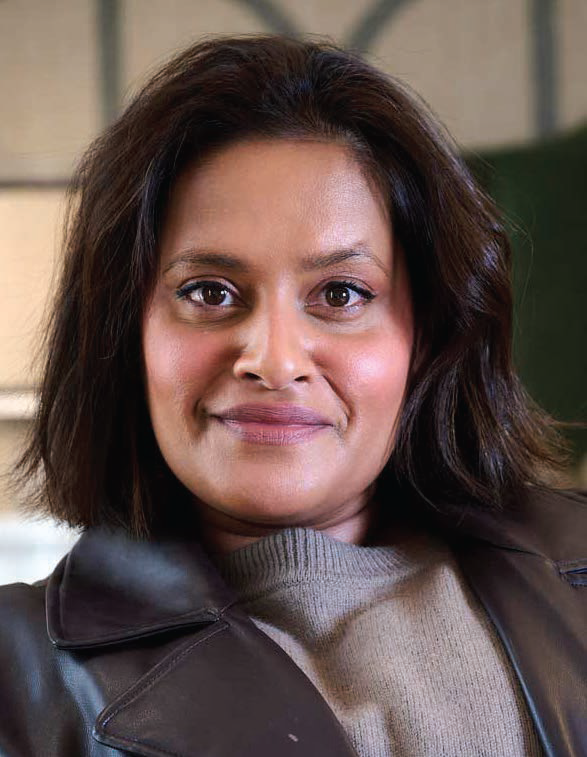
For me, sustainability has never been solely about materials, certifications or reducing environmental impact. At its heart, sustainability is about stewardship. It is about taking responsibility for what we create, how we create it and the people we empower along the way.
When I founded Wolkberg, I entered an industry where women, particularly women of colour, were not often found at the intersection of design, manufacturing and construction. These sectors have historically been male-dominated, and there were very few examples of businesses like ours to follow. But I have always believed that innovation happens when people are willing to imagine possibilities that do not yet exist. That same philosophy guides our approach to sustainability.
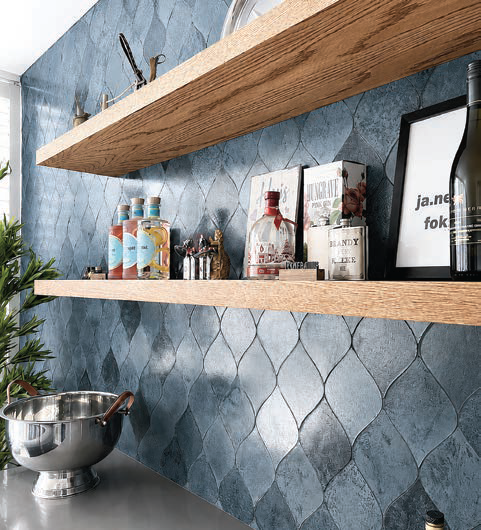
At Wolkberg, we manufacture architectural surfaces and products using our proprietary material, Limesite™. From the beginning, we challenged ourselves to ask difficult questions. How could we create products that are beautiful and durable while also being more responsible? How could we reduce waste? How could we rethink materials and manufacturing processes to have a lighter footprint on our planet?
Those questions led us to develop production methods that incorporate recycled materials into our recipes, with some formulations containing up to 81% recycled content. We also designed our processes around circular thinking. Offcuts and returned products are not simply discarded; they are crushed and reintroduced into future manufacturing cycles wherever possible. It is our belief that materials still hold value, even after their first use.
In the green building movement, we often speak about creating spaces that respect the environment. I believe we should also speak more about creating industries that respect people.
One of the greatest privileges of building Wolkberg has been the opportunity to create pathways for women in design and manufacturing. Today, our newest product collection, Oh’ Pleats, was conceived and developed by an all-female design team. It is a reminder that women do not only belong in boardrooms or behind mood boards; they belong on factory floors, in research and development laboratories, and at the forefront of material innovation.
Women bring a unique perspective to design because we often approach challenges holistically. We think about the emotional experience of spaces, the longevity of products and the human impact of our decisions. These qualities are invaluable in sustainable design, which demands systems thinking and long-term responsibility.
I am incredibly optimistic about the future because I see a new generation of women entering industries that once seemed inaccessible. They are engineers, industrial designers, entrepreneurs, makers and innovators. They are proving that sustainability and profitability can coexist, that local manufacturing can compete on a global stage, and that businesses can be both commercially successful and deeply purposeful.
As an entrepreneur, I have learned that building sustainably requires courage. It requires choosing long-term value over short-term convenience. It requires investing in innovation even when easier solutions exist. Most importantly, it requires a willingness to believe that business can be a force for positive change.
This Women’s Month, my hope is that we continue to expand our understanding of sustainability. Sustainability is not only about preserving resources; it is also about nurturing talent, creating opportunities and ensuring that future generations inherit industries that are more inclusive than those we entered. I believe women have an essential role to play in shaping that future.
www.wolkbergcs.com