Urban wetlands: why our cities can’t afford to lose them
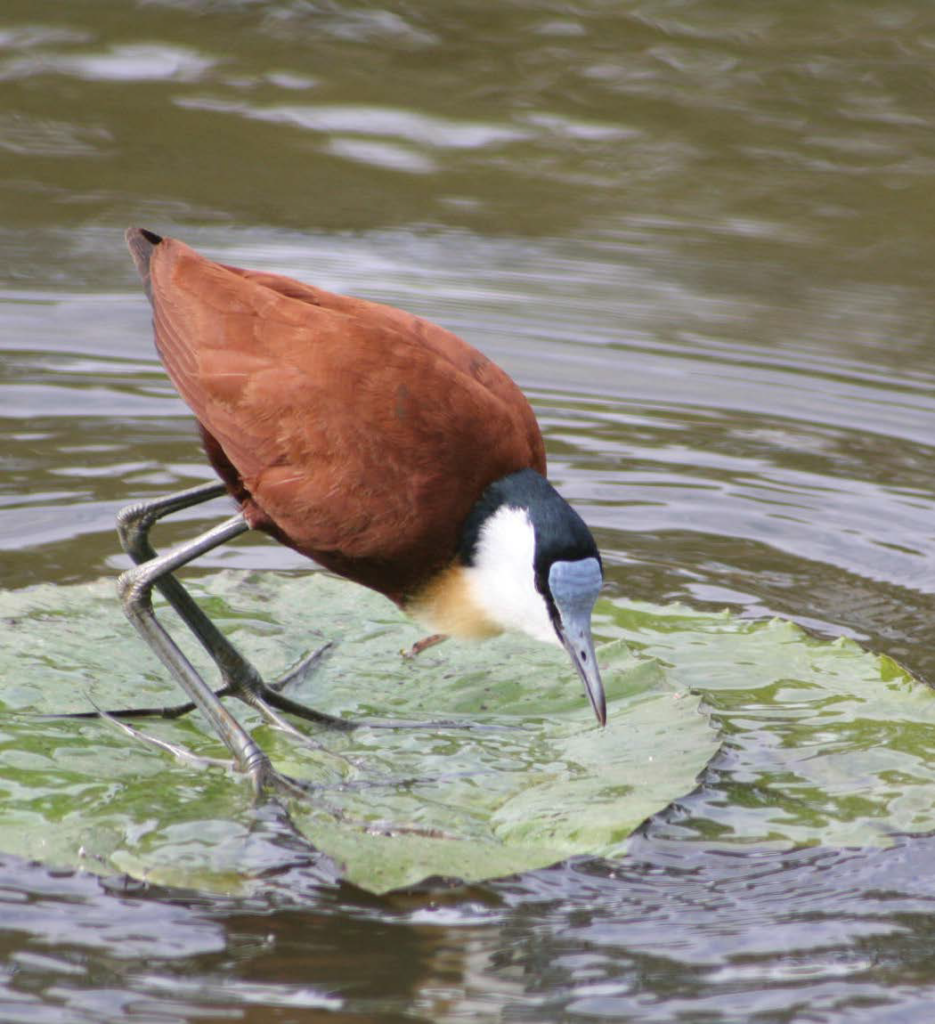
Found within and around built-up areas, urban wetlands may be natural or purposefully constructed, but their role is the same: they support life, protect water and help cities function more sustainably. Often called the “kidneys of the city”, urban wetlands filter polluted water before it reaches our rivers and dams. They are also living libraries of biodiversity, home to a wide range of plant and animal species that have adapted to thrive in these water-rich environments. Some wetlands hold water year-round, while others flood only seasonally – but all are essential.
South Africa’s wetlands come in many forms. Natural wetlands include marshes, lakes, floodplains, peatlands, estuaries and mangroves, while constructed wetlands take the shape of ponds, stormwater treatment systems, reservoirs and canals. Together, they form part of the green and blue infrastructure that makes urban life possible, even if we rarely notice them.
Support systems
Beyond their ecological importance, urban wetlands support people in very real and practical ways. In many communities, plants such as Typha capensis (bulrush) are harvested to make mats, baskets and brooms, providing income and preserving traditional skills. Wetlands also offer food security through fishing, and their natural beauty creates opportunities for recreation, tourism and local employment.
Wetlands are also natural climate managers. They cool surrounding areas during extreme heat, helping cities cope with rising temperatures. When heavy rains fall, wetlands slow the flow of water, reducing flooding and releasing it back into the environment over time. As water moves through a wetland, sediments settle and pollutants are filtered out, while specialised plants absorb excess nutrients and even certain heavy metals.
The decline of urban wetlands
Despite their value, urban wetlands are disappearing at an alarming rate. As at 2024, about 69.3% of South Africa’s population were living in urban areas, and this share is expected to keep growing in the coming years. As urban areas expand, wetlands are often drained, built over or polluted to make space for development and because they are highly sensitive ecosystems, they are among the first to suffer.
The consequences are serious: declining biodiversity, disrupted water flows, increased pollution from wastewater and pesticides, and rising soil erosion caused by intensified development within catchment areas. In a country already facing water scarcity, the loss of wetlands further weakens our ability to manage water wisely.
A call to action
Urban wetland management can no longer be an afterthought. Protecting these ecosystems requires a careful balance between development and conservation – one that benefits both people and nature. Effective management must include community involvement, strong and coordinated legislation, and committed local government enforcement to ensure wetlands are recognised, protected and maintained.
With more than 70% of South Africa’s wetland ecosystem types currently unprotected, the need for action is immediate. Urban wetlands are not empty spaces waiting to be developed; they are living systems that quietly support our cities every day.
To make a difference in your own area, visit the Water Wise website and discover how you can get involved in protecting South Africa’s wetlands. Always be Water Wise!